There are conflicting stories on the origin of the word "barbecue." The one I like, but seems to be false, is that it comes from the French "de la barbe à la queue," or from the beard to the tail, which gels well with the French habit of eating pretty much every part of an animal.
I've had three different barbecue events during my short stay in Picardie. The French have a slightly different idea of "barbecue" than folks back home. Here, a typical barbecue includes les merguez et les chipolatas. The merguez is strong evidence of the north African influence in France. Pierre said that before the 1960s, you didn't see any in France but now, it's an important part of French cuisine.
Now that I think about it, we had Moroccan tagine (lamb, almonds, honey...) with couscous on Saturday, and merguez and chipis on Sunday. A culinary trip from northern France to northern Africa!
29 June 2010

27 June 2010
les tartes aux fruits de saison / Cordon Bleu Jour 6
Yesterday was my favorite day yet. We had six hours in the kitchen with Chef, and at the end of the day, I went home with two beautiful tarts that I made all by myself. Well, almost. I had to have a little help from Chef getting my pastry crust in the pastry ring comme il faut, and he made the meringue for everyone because it's easier in larger batches, but other than that, they were all mine.
 Tarte aux fruits de saison
Seasonal fruit tart
Tarte au citron meringuée
Lemon meringue tart
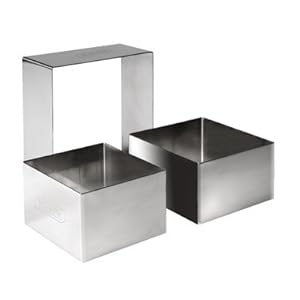
Both had a pâte sablée and an almond paste. We blind baked the crust, then added the almond paste using a pastry bag, and then baked for 10 more minutes. I was surprised to learn that you don't need a mold to make these tarts; a simple pastry ring and a baking sheet will do. It's easier to serve the tarts this way, because there's no risk of breaking them. Another tip is to clean up the edge of the baked crust with a knife so it's smoother.
These beauties miraculously survived the metro+bus+walk to St. Ouen, then walk+metro+train+car from St. Ouen to Poix. They were only a little worse for the wear. We at the fruit one at the dinner party in Poix last night, and the lemon one today after lunch. And they both tasted as beautiful as they looked! The dinner guests thought they were store-bought. What a compliment!
Shopping list: pastry rings of various sizes, loads of good French butter, parchment paper, almond powder, butane torch to brown the meringue.
Seasonal fruit tart
Tarte au citron meringuée
Lemon meringue tart
Both had a pâte sablée and an almond paste. We blind baked the crust, then added the almond paste using a pastry bag, and then baked for 10 more minutes. I was surprised to learn that you don't need a mold to make these tarts; a simple pastry ring and a baking sheet will do. It's easier to serve the tarts this way, because there's no risk of breaking them. Another tip is to clean up the edge of the baked crust with a knife so it's smoother.
These beauties miraculously survived the metro+bus+walk to St. Ouen, then walk+metro+train+car from St. Ouen to Poix. They were only a little worse for the wear. We at the fruit one at the dinner party in Poix last night, and the lemon one today after lunch. And they both tasted as beautiful as they looked! The dinner guests thought they were store-bought. What a compliment!
Shopping list: pastry rings of various sizes, loads of good French butter, parchment paper, almond powder, butane torch to brown the meringue.

25 June 2010
Les Confitures aux fruits de saison / Cordon Bleu Jour 5
I think every French person I know makes jam. When I was living in Poix, I often received jars of jam from colleagues, the most interesting of which was watermelon and walnut. Therefore, if I am truly to understand the French, I needed to learn to make jam. I have heard it's easy, but I've also heard it's complicated. Copper pots, sterilizing, paraffin seals... Yesterday was finally my chance to try it out for myself.

On the menu:
Confiture d'abricots aux amandes
Apricot and almond jam
1 kg stoned apricots
750 g. sugar
juice of 1 lemon
90 ml water
1 vanilla bean
185 g whole almonds (raw, not roasted)
10 g pectin (optional)
Confiture de fraise des bois et framboises aux zestes de citron vert
Wild strawberry, raspberry and lime peel jam
500 g wild strawberries
320 g raspberries
560 g sugar
45 ml lemon juice
60 ml water
peel of 2 limes
8 g pectin (optional)
Turns out, making jam is easy. Really easy. Chef even started our class by telling us there's nothing easier than jam. And if you're not planning on keeping the jam in the cabinet for ages, you don't need fancy equipment. Just a good sized saucepan and clean jars. The heat from the jam combined with turning the jar upside down takes care of sterilization and sealing the jar. The traditional ratio is 1kg of fruit to 1kg of sugar. If you want to reduce the sugar, it's best not to go below 50% of the amount of fruit, but this can vary depending on which fruit you choose.
I'm now the proud owner of six jars of delicious jam, but quantities are quickly diminishing. Sorry, I don't think it will last until I return home.

On the menu:
Confiture d'abricots aux amandes
Apricot and almond jam
1 kg stoned apricots
750 g. sugar
juice of 1 lemon
90 ml water
1 vanilla bean
185 g whole almonds (raw, not roasted)
10 g pectin (optional)
Confiture de fraise des bois et framboises aux zestes de citron vert
Wild strawberry, raspberry and lime peel jam
500 g wild strawberries
320 g raspberries
560 g sugar
45 ml lemon juice
60 ml water
peel of 2 limes
8 g pectin (optional)
Turns out, making jam is easy. Really easy. Chef even started our class by telling us there's nothing easier than jam. And if you're not planning on keeping the jam in the cabinet for ages, you don't need fancy equipment. Just a good sized saucepan and clean jars. The heat from the jam combined with turning the jar upside down takes care of sterilization and sealing the jar. The traditional ratio is 1kg of fruit to 1kg of sugar. If you want to reduce the sugar, it's best not to go below 50% of the amount of fruit, but this can vary depending on which fruit you choose.
I'm now the proud owner of six jars of delicious jam, but quantities are quickly diminishing. Sorry, I don't think it will last until I return home.
24 June 2010
my cooking heritage
When I took the wine tasting class, I was told that it was okay if I didn't recognize certain smells in the wine - they simply weren't part of my scent heritage. Well, I don't really have much of a culinary heritage either. I just this week learned the proper way to hold a knife while chopping, that peeling cultivated mushrooms keeps them from turning dark, and how to cut a real vanilla bean. I did not really learn how to cook when I was growing up. My grandmothers were both great ladies, but weren't the best of cooks. I remember Pringles and oyster crackers, Grape Nuts and lemon drops at one; ham, canned asparagus, jello fruit cocktail salad and Little Debbie snacks at the other. And I grew up in the 80s, when Hamburger Helper was a staple in many a busy household. (I've always known how to make a mean chocolate chip cookie, though).
It was my year teaching in France that got me really interested in cooking. I lived in a small town with just a handful of cafés and restaurants, and fast food was out of the question. I had to feed myself, I had more free time, and my colleagues frequently brought me fresh produce. So despite the fact that my kitchen wasn't very well equipped, I tried out new things. Stir in a lot of reading about the American diet, the devolution of food, and the importance of eating things "in season," and a foodie was born. I started stocking my U.S. kitchen with more and more gadgets and spices, and my surprise cocotte from A & S last summer kicked off a new collection of cookware as well.
The French really seem to know how to eat well-balanced meals that are full of delicious things. The frequent markets in each town make buying fresh, organic and in-season foods a breeze. And I love that in a country roughly the size of Texas, there are so many regions with their own specialties and culinary history.
It was my year teaching in France that got me really interested in cooking. I lived in a small town with just a handful of cafés and restaurants, and fast food was out of the question. I had to feed myself, I had more free time, and my colleagues frequently brought me fresh produce. So despite the fact that my kitchen wasn't very well equipped, I tried out new things. Stir in a lot of reading about the American diet, the devolution of food, and the importance of eating things "in season," and a foodie was born. I started stocking my U.S. kitchen with more and more gadgets and spices, and my surprise cocotte from A & S last summer kicked off a new collection of cookware as well.

The French really seem to know how to eat well-balanced meals that are full of delicious things. The frequent markets in each town make buying fresh, organic and in-season foods a breeze. And I love that in a country roughly the size of Texas, there are so many regions with their own specialties and culinary history.
Secrets du Chef / Cordon Bleu Jour 4
I didn't really know what to expect from a "Chef's Secrets" class. Was Chef going to just go down a list and tell us different tricks of the trade? But yesterday's demonstration class at Le Cordon Bleu wasn't much different from the others I'd previously attended, except there was no dessert on the menu. No matter...K and I had splurged at "the good ice cream place" near Les Grands Magasins earlier in the afternoon, so we'd taken care of our sweet treat for the day. (Speculoos, Tiramisu, and Vanilla Bourbon gelato....mmmmm).

On the menu:
 Salade de cailles aux herbes
Salad with quail and herbs ("because it's summer" - Quail are good between July & end of August)
 Risotto aux fruits de mer
Sea food risotto ("because Chef is of Italian origin")
Chef went through the process of making each dish, sharing little tips along the way. He swore us to secrecy, but I feel okay divulging a few here.
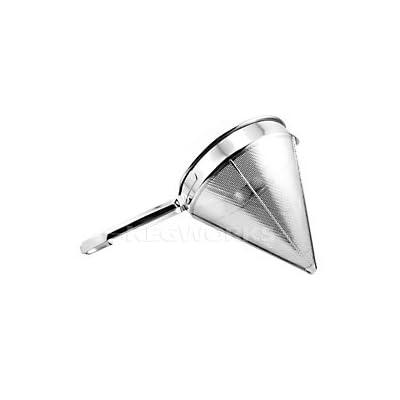
Shopping list: espelette, bowl scraper. The Chinese cap strainer makes an appearance nearly every class, so it should probably be at the top of my list.
On the menu:
Salad with quail and herbs ("because it's summer" - Quail are good between July & end of August)
Sea food risotto ("because Chef is of Italian origin")
Chef went through the process of making each dish, sharing little tips along the way. He swore us to secrecy, but I feel okay divulging a few here.
- All chefs are ready to live on a desert island. In their pockets: a corkscrew, a spoon for tasting, an all-purpose bowl scraper...
- When dining at a restaurant, you should always treat yourself. You should eat well and not look at the price!
- If you're trying to sear something, make sure there's no water in the pan or it will make the oil pop.
- Always remove your dish from the heat before adding fresh herbs.
- When poaching eggs, add a good cup of vinegar to the water; it fixes the white to the yolk. (You probably already know this - I've just never poached eggs before).
- To break open a quail egg, cut off the rounded part with a knife. Otherwise, the eggs are too delicate and you risk breaking the yolk.
- When preparing many eggs for poaching, you can put them all in one bowl and spread them out when you pour them in the water. No special poaching pan needed. (Maybe because of the vinegar?)
- The reason you're supposed to skim off foam when boiling is because it contains all of the impurities.
- The Basque spice "espelette" adds a nice flavor to seafood.
Shopping list: espelette, bowl scraper. The Chinese cap strainer makes an appearance nearly every class, so it should probably be at the top of my list.
21 June 2010
Cuisine des Amis / Cordon Bleu - Jour 3

We first had a demonstration of the following:
Salade de haricots verts frais à l'artichaut et anguille fumée
French French green bean salad with artichoke and smoked eel
Suprême de volaille farci aux shiitakes, sauce à l'estragon, pomme mousseline
Chicken suprême stuffed with shiitake mushrooms, tarragon sauce, potato mousseline
Soupe de fraises au vin rouge, granité marjolaine
Strawberries in red wine, marjoram granita

I was wary about the smoked eel, egg and green bean salad, all served in an artichoke, but it was surprisingly tasty. I don't really see myself purchasing an eel, so I was pleased to learn that smoked salmon could be used as a replacement. It's definitely strawberry season, because I had two different versions of the dessert in two days, but it was really good. Saturday's addition of marjoram sorbet was a nice change. More on the main course in just a minute.
After the tasting, we had an hour for lunch (no real need to eat), so I walked around the neighborhood and discovered a flea market/garage sale on the sidewalks. I didn't find anything I couldn't live without, and after a nice stroll headed back to the school for my practical.
The eleven students were divided into two groups so we could have more personal instruction from the chefs. There were five of us in my kitchen, plus the chef, the interpreter for the non-French speakers, and the sous-chef. We started by peeling potatoes and then chopping our mushrooms for the duxelles, or mushroom-based stuffing. We got other things ready, like shallots and parsley. Then, it was time to de-bone the chicken. They had been ordered cut in a "coffre" or "bâteau," but I'm so inexperienced that I didn't really notice the difference between that cut and any other whole chicken. The wings were chopped off just above the joint, and it was our job to slice along the backbone on both sides, and then down the carcass, trying not to leave any flesh on the chicken. I'm not very confident with large knives, so I struggled, then confessed to Chef Terrien that I'd massacred my bird and needed help. He was really patient and encouraging, joking as he pulled off a few feathers that remained to be plucked.
He offered three cuts of meat, so I gratefully accepted so I could feed my hosts dinner later that evening. Then, he offered to chop up the carcasses so we could make the base for our sauce. "The smaller the pieces, the better the sauce will be." Later, I needed more help opening the meat for stuffing. Like cutting the suprême, it's something that I know takes practice. But the mushroom stuffing? That I made well! Just ask D&K, who really appreciate the surprise dinner after a busy Saturday with the kids.
While the chicken was baking, we used a moulin à la grand-mère to purée our potatoes. This needs to go on my shopping list because those were the smoothest, best mashed potatoes I've ever made.

Tips of the day: "Nothing is forbidden in cooking, as long as it tastes good."
A raw egg will spin more slowly than a hard-boiled one.
The smaller the bones, the better the stock will be.
If you have the time, gently boil your whole potatoes over low heat. Cutting them lets water get in, and if they boil too violently, they risk exploding and water can get in that way as well, making your purée too runny.
Shopping list: food mill, China cap strainer, really good knives, sauté pan, ice cream/sorbet maker

18 June 2010
marché de Paris / Cordon Bleu - Jour 2
Today started out with a casual breakfast (coffee or tea, juice, croissant) in a little dining room. This gave me time to meet the other students in today's class. We met Chef Thivet out front at 9:00am, and headed to the Marché St. Charles, which takes place on Tuesdays and Fridays in the 15e arrondissement. Our first stop was a charcuterie on the corner rue St. Charles and rue Convention. Le Cochon rose is an award-winning shop with trophies to prove it.
On to the fishmongers, where Chef stressed the importance of buying from les petits bâteaux, or the smaller fishermen. They have to return to port daily, unlike the larger commercial boats, who have to store their catch on ice for three or four days before coming ashore. Hints on how to tell if your fish is fresh: shiny eyes, tall scales, red gills & lungs. He recommended the omble chevalier, sauvage.
Next stop: a rather large crémerie / fromagerie. I recommend you try the Abondance - it was new to me, and I really liked it.


On through the market, where the fruits and veggies really made my mouth water. It's so important to the French to purchase produce that is in season. Not only do they taste their absolute best, it encourages variety in your diet and in your cooking routine. A few more stops, including the bakery and an artisanal goat cheese stand, and we headed back to the school.


Once back at the CB, we had lunch, which included many things Chef picked up at the market. Peaches, nectarines, melon and cherries are delicious this time of year.

After lunch, we headed to a classroom where we had a cooking lesson.


Salade d'artichaut et langousintes parfumée au citron et coriandre
Artichoke and langoustine salad flavored with lemon and cilantro

Morue fraîche dorée au sautoir, pommes rattes truffées écrasées à la fourchette
Golden pan-fried cod, fork crushed fingerling potato purée with truffle
** truffles are not currently in season, so they came from a can. 35g runs about 50€ !!

Soupe glacée de fraises aux épices et cabernet
Chilled strawberry soup with spices and cabernet wine
Everything was délicieux !
Tips from the chef: When searing and baking fish, first cut sheets of parchment paper and butter them. Put one cod steak on each sheet, and sear them in a sauté pan (hot olive oil). Then, bake fish in the oven without removing them from the pan. This prevents the fish from breaking up, and doesn't stick!
Add to shopping list: passoire chinoise, star anise, coriander seeds (put in pepper mill because they're better ground than crushed), sea salt, and lots of good butter, vanilla beans, white cardamom pods.
On to the fishmongers, where Chef stressed the importance of buying from les petits bâteaux, or the smaller fishermen. They have to return to port daily, unlike the larger commercial boats, who have to store their catch on ice for three or four days before coming ashore. Hints on how to tell if your fish is fresh: shiny eyes, tall scales, red gills & lungs. He recommended the omble chevalier, sauvage.
Next stop: a rather large crémerie / fromagerie. I recommend you try the Abondance - it was new to me, and I really liked it.
On through the market, where the fruits and veggies really made my mouth water. It's so important to the French to purchase produce that is in season. Not only do they taste their absolute best, it encourages variety in your diet and in your cooking routine. A few more stops, including the bakery and an artisanal goat cheese stand, and we headed back to the school.
Once back at the CB, we had lunch, which included many things Chef picked up at the market. Peaches, nectarines, melon and cherries are delicious this time of year.
After lunch, we headed to a classroom where we had a cooking lesson.
Salade d'artichaut et langousintes parfumée au citron et coriandre
Artichoke and langoustine salad flavored with lemon and cilantro
Morue fraîche dorée au sautoir, pommes rattes truffées écrasées à la fourchette
Golden pan-fried cod, fork crushed fingerling potato purée with truffle
** truffles are not currently in season, so they came from a can. 35g runs about 50€ !!
Soupe glacée de fraises aux épices et cabernet
Chilled strawberry soup with spices and cabernet wine
Everything was délicieux !
Tips from the chef: When searing and baking fish, first cut sheets of parchment paper and butter them. Put one cod steak on each sheet, and sear them in a sauté pan (hot olive oil). Then, bake fish in the oven without removing them from the pan. This prevents the fish from breaking up, and doesn't stick!
Add to shopping list: passoire chinoise, star anise, coriander seeds (put in pepper mill because they're better ground than crushed), sea salt, and lots of good butter, vanilla beans, white cardamom pods.
Cordon Bleu - Jour 1

I think my expectations of the atmosphere had been flavored by Julia Child's experiences over fifty years ago; everything has certainly changed since then. They've clearly recognized the advantage of catering to the culinary-curious as well as serious, more long-term students! The students for the evening's food and wine pairing class were all foreigners, mostly American but a few were from South America and Asia.

The three-hour class was led in French by two people - Chef Lesourd and sommelier Didier Allix, and translated by a young man named Ben. They were assisted by two young women who had recently graduated from a training program. The rapport between the team was exceptional, relaxed and entertaining.
On the menu: les vins de Loire
The key to pairing wine with food, according to M. Allix, is to find an agreeable balance between the two. If the wine is too powerful, it will make the food disappear, and if the food is too overwhelming, the wine will disappear. Wine is an essential part of gastronomy; a dinner without wine is like having meat without sauce.

Petits légumes farcis, coulis de roquette, salade au fenouil
Stuffed baby vegetables, rocket [arugula] coulis, fennel salad
Wine: Anjou Blanc Sec - Château de la Roulerie 2008 (chenin blanc)

Croustillant de pigeon, macaroni pané et jeunes pousses d'épinards
Crisp squab parcel, crumbed macaroni and young spinach leaves
Wine: Menetou Salon Rouge 2008 - Isabelle et Pierre Clément Chatenoy (100% pinot noir)

Fruits exotiques en gelée d'hibiscus
Hibiscus jelly with tropical fruit (pineapple, lychee, papaya)
Wine: Coteaux du Layon 2008 - Bonnamy (chenin base, lightly sweet)
Items to add to the kitchen: une cuillère parisienne, pastry forms in various sizes and shapes, yuzu sauce, rose water.



16 June 2010
shops for cooking geeks
My friend K has lived in Paris for more than 12 years now, and had a few suggestions for me and my culinary adventure. There are a slew of cooking-related shops near Les Halles, the site where Paris' central market stood for more than 800 years. Although the market was closed down in 1969, many of the culinary shops are still there.
 Among these is the famous E. Dehillerin. Several online reviews had me a little nervous about going there - people said that they're not very friendly there. The minute I walked in the door, however, I was greeted by an extremely enthusiastic man who introduced himself as Kim, and before I could say two sentences, he started trying to guess where I was from. (I like to think it's because of my shoes, and not because of my pronunciation that set off the 'American in the shop' alarm, otherwise my feelings would be hurt). "Los Angeles? St. Louis? But your French is really good..." aaahh, there's the compliment. "...Hmmm, might you be a French teacher? Austin? Boston?" He suggested I go downstairs and check things out, and I said that when I came back up, I'd tell him where I'm from.
 This place is dusty and things are piled high and more are hanging from the ceiling. In short, it's cool. If only I knew enough to know what I need! Back upstairs, Kim started guessing again. I tried to give him a hint by saying, "Think of a pan..." and he guessed Utah. Finally, I set him straight. And then, he wanted to talk about films, specifically ones with "American" in the title. American Pie II (he liked it better than the first one). American Beauty. Which started him in on Kevin Spacey. By this time, another employee joined in on the conversation. Needless to say, this was not at all what I was expecting, but it certainly helped put me at ease.
 Next, I found the Librairie Gourmande, a bookshop entirely dedicated to cooking. They had books on every sort of cuisine, as well as culinary dictionaries. I found a couple of useful ones that would help me translate some of the fancy French phrases into English, but when I got to the register I realized that they were about three times more than I thought. The cashier agreed that they were really expensive. I put them back, and think I'll wait until the end of my stay to see if I have any money left in my budget. I did get a cool culinary dictionary, in French.
More wanderings and I found A. Simon, La Bovida, and G. Detou, a shop that when pronounced sounds like "J'ai de tout," or "I have everything." I have to admit the shop was smaller than I'd expected, because "everything" would surely take up a lot of space. But they do have a lot of things from around the world.
A bit overwhelmed with choices, thus returning to D & K's this afternoon relatively empty-handed, I decided that today was really just a reconnaissance mission. After I complete my cooking classes, I'm hoping to have a better idea of what items I will need to equip my own kitchen back home.
More wanderings and I found A. Simon, La Bovida, and G. Detou, a shop that when pronounced sounds like "J'ai de tout," or "I have everything." I have to admit the shop was smaller than I'd expected, because "everything" would surely take up a lot of space. But they do have a lot of things from around the world.
A bit overwhelmed with choices, thus returning to D & K's this afternoon relatively empty-handed, I decided that today was really just a reconnaissance mission. After I complete my cooking classes, I'm hoping to have a better idea of what items I will need to equip my own kitchen back home.
13 June 2010
food from every angle
When I got up today, my plans didn't include a trip to the Cité des Sciences in Paris, but after meeting up with C, M & T (friends from home who are also summering in France), plans changed. The kids had already been to the museum twice this week with their "Guide" (aka their jeune garçon au pair), and were excited to tell me about an exhibit they'd seen dedicated to food! Their enthusiasm inspired me, and we decided to go there after lunch. (If you're curious, we ate Falafel in the Marais, a primarily Jewish quarter where, unlike the rest of Paris, things are open on Sundays).

"Bon Appétit" is an exhibit targeted towards 9-14 year-olds, but was just as interesting for those of us slightly beyond that age range. There were hands-on activities in French, English and Italian that explores why we eat, what we eat, and how we eat. I invite you to check out the website to learn more.


"Bon Appétit" is an exhibit targeted towards 9-14 year-olds, but was just as interesting for those of us slightly beyond that age range. There were hands-on activities in French, English and Italian that explores why we eat, what we eat, and how we eat. I invite you to check out the website to learn more.
market day
Sunday is market day in St. Ouen, and going to the market is part of D & C's routine. They let me tag along this morning.

Like I said before, you often see meat that resembles its former life, which reassures the French that they're getting what they paid for. Another thing I like is that you know where your meat is from. The beef at the butcher's stand was from Forges-les-Eaux, and I know Forges is in Normandy, where cows are happy and well-fed, so I'm more confident buying that meat than some unidentifiable hunk in a supermarket chain. And the traçabilité of meat is another important thing here - you can trace a piece of meat all the way back to the cow it came from. You'll also see signage in restaurants stating the provenance of today's beef selection.
I also learned that going to the market with a child gets you extra goodies. C. was offered a flower by one vendor, and a bit of cheese by another. Of course, we bought plenty of cheese to earn that sample. Just look at the selection...and this is just the part I could fit in the pictures.


 The goat cheese covered in airelles et myrtilles is in my dessert plans for tomorrow evening. I can't wait!
Like I said before, you often see meat that resembles its former life, which reassures the French that they're getting what they paid for. Another thing I like is that you know where your meat is from. The beef at the butcher's stand was from Forges-les-Eaux, and I know Forges is in Normandy, where cows are happy and well-fed, so I'm more confident buying that meat than some unidentifiable hunk in a supermarket chain. And the traçabilité of meat is another important thing here - you can trace a piece of meat all the way back to the cow it came from. You'll also see signage in restaurants stating the provenance of today's beef selection.
I also learned that going to the market with a child gets you extra goodies. C. was offered a flower by one vendor, and a bit of cheese by another. Of course, we bought plenty of cheese to earn that sample. Just look at the selection...and this is just the part I could fit in the pictures.
12 June 2010
musée du vin de Paris

The Musée du Vin de Paris's site is pretty good, so I'll let you read about the history of the cellars, the limestone quarries and the monastery on your own. Instead, I'll tell you about my introduction to tasting class.

There were a dozen people enrolled, young and old. Several arrived already knowing a bit about wine, others were more novices like I am. There were four non-French attendees: a woman from Scotland, one from Ukraine, a Chinese man who lives in Belgium, and myself. I expected the French to know more than they did, so as soon as I realized that they weren't perfect, I relaxed significantly. I should say that the class was entirely in French, and all the non-natives spoke fluently. The museum also offers tastings in English, though much less often, so if you non-French speakers are interested in scheduling one while you're next in Paris, it's best to check the calendar well in advance.
There's no way I could write down everything that I learned this morning, and reading over my notes, I realized I wrote half in English, half in French, so it's quite entertaining. Fortunately, we were provided with a sheet with "100 words to describe wine." According to our instructor Monique, the professionals use about 400 words. I think 100 is plenty.
First, she talked about how we use all five senses in tasting wine, but the three main ones are smell, taste and sight. Listen to how the wine sounds when you're pouring it in the glass. And you not only use touch when you hold the bottle and feel the temperature, but also how the wine feels in your mouth.
You hear a lot about how wines smell "woody" or "fruity" or like grapefruit (one of my all-time favorite smells). But you're not wrong if you can't smell what the label says you're supposed to. You must first have things in your memory to be able to recognize them. Growing up in Oklahoma, I spent more times with certain smells, while the French know things like black currant and truffle, so it's natural that I can't smell pick out those smells. It's not part of my "genetic heritage," or my "sensory profile." That's not to say that I can't learn to recognize those smells, I just need to "work my nose!" Monique said, "to be good, you must taste often!" She also suggested you leave a little bit in the bottle at the end of the evening, and smell and taste it the next day to see the difference that time can make. Even the empty glass will smell different in the morning.
Now, a word about place setting. White wine glasses are always placed on the right, and water on the left. Red wine glasses go in between. Much like you start on the outside with silverware and work you way in, you move from right to left with glassware.
We also needed to learn how to open the bottle. (Can I tell you how relieved I was that real live French people weren't doing this right?!) It's important not to rotate the bottle when you're cutting the foil off of the top; this stirs up the deposits. Instead, using the point of the knife blade, do one-half turn on each side, and then use the blade to lift off the foil. Turn the corkscrew, again taking care not to turn the bottle. Official protocol says that you shouldn't hear the cork coming out of the bottle - and this includes champagne - so gently wiggle the cork out with your hand after pulling most out with the corkscrew. Always, always smell the cork for all wines, and if it's a white, be sure to also taste it before serving to your guests. Finally, turn the wrist at the end of your pour to avoid drips. (Haha! This, I knew!).
Next step: how to properly hold your glass. Never hold it by the bowl, but by the stem. And here's why:
- your hand heats the wine
- you leave marks on the glass, which - especially during a candlelight dinner - is ugly
- you "mask its dress." I think this must translate to something like "hiding its color."
- you can also smell whatever is on your hands - soap, aftershave, etc. - which will interfere with smelling the nose of the wine.
Monique also explained that professionals hold wine glasses by their feet (is that the proper word? In French, she called it an "assiette," which means "plate"), so unless you want people to think you're a super-expert, you don't want to do that. The stem is perfectly acceptable.
And now that you have all that down, we can finally move on to the tasting. (Disclaimer: I wasn't able to get everything down on paper, and there's a slight chance I misunderstood every so often, so if there are mistakes, let's blame them on the wine).
Premier nez (First nose): If you're among friends, take a good, big whiff. This is where many people will start putting names on what they smell. But I was surprised to learn that it's perfectly acceptable not to be able to find specific aromas on your first smell. So what do you do if you find yourself in a situation where someone asks, "How do you find this wine?"and you don't want to look like an idiot? You can say things like: "This wine hasn't yet told us all it has to say."
Examen visuel (Visual exam): Then, under good light, tilt the glass and look at the color. Next, hold it under your chin and look down at it, looking at the intensity. Then, hold a blank sheet of white paper at arm's length, and tilt the glass so it's parallel to the paper and look at the edge of the wine. There, you can see nuances, like a transparent edge.
After that, you swirl the glass on the table by holding the stem between your first two fingers. Then, hold it up to the light and watch the "glisserole," or the "larmes et jambes." The tears and legs. The thicker the legs and the more slowly they slide down the glass, the more sun the grapes knew. It's the sign of a good year. (By the way, Monique said that 2009 was a great year for just about every wine, 2008 was good, 2007 was a short but good year, and 2005 was also good).
Nez du vin et retro olfaction: And then, we smelled again, and finally tasted. And boy, were we noisy! Because Monique taught us how to slurp our wine so the aroma would rise up through the back of our noses.
Examen Gustatif: The actual tasting of the wine, which for me at least was combined with the retro olfaction. And we counted Caudalies - an oenological French term that quantifies the duration of a wine's flavor in your mouth. One second of time equals one Caudalie. The finer the wine, the longer its flavor lingers on the palate. The maximum number of Caudalies is twelve, so I'm not sure I was counting right, because once I got to fifteen.
As I'm processing all of this tonight, I realize that it's a lot to remember, and is definitely something that takes practice. But a few things Monique said really stuck with me.
- It's ridiculous to get too complex.
- YOU are the taster. Tasting is for YOUR pleasure.
- Don't think you have to find exactly what the "experts" say you should find.
- Learn the rules of tasting and practice!

11 June 2010
seafood galore
 Because half of France borders one sea or another, fish and seafood make frequent appearances on the menu. While in Normandy, where I stayed in a town with “on-the-sea” in the name, I sampled grilled sole as well as special moules frites cardinal, mussels in a creamy tomato-basil sauce. It's a bit early in the year for mussels, and although they're fine to eat, my guides commented that they were a bit small for their taste. I've noticed that different areas serve their mussels differently. In Hauteville, we had shell-shaped plates, with a divided section for fries to keep them from getting too soggy in the savory sauce. In Omonville-la-Rogue, while de-boning my sole, I noticed a couple sharing one large casserole of mussels. Dangerous, Guillaume exclaimed, because you might end up fighting over the fare. Touche pas à mes frites !
The Norman coast isn't far from England (on a clear day, you can see the Channel Island of Guernsey), and in recent years, the French have adopted the English custom of tea. More and more tea rooms are popping up, so it wasn't surprising that we stopped for tea after a hiking excursion to Chausey Island. There were more than fifty choices on the menu, and of course desserts to accompany them. I skipped the more English apple-strawberry crumble, and opted for the French riz-au-lait, served with caramel sauce (with salty butter, of course).

les produits laitiers


P.S. Thinking about all of the yogurt, pots de crème, cheese and milk consumed in France has got me wondering if anyone really suffers from osteoporosis here!
07 June 2010
Finding inspiration
I've thought about applying for a grant from Fund for Teachers for a couple of years now, but had difficulty narrowing down my ideas for projects. You have to come up with a project proposal and budget, so it really allows teachers a lot of freedom in what they want to explore over their summer vacation. My problem was that there simply were too many things that interested me. It was by chance that, while reading about another grant opportunity for French teachers, that I stumbled upon a cooking class in Grenoble that inspired me. I began to dabble in cooking when I lived in rural France a few years ago, and was forced to feed myself to survive. I had some pretty proud moments that began with simple things like home made applesauce and then lots of vegetable soups. I also had some disasters, like pecan pie soup and volcanic pumpkin bread. My new collection of Le Creuset has been begging to be put to good use, so I spent a dreary January weekend furiously writing my grant narrative and planning my budget, because of course I waited until nearly the last minute. And to my great pleasure my proposal was accepted!
Everything went as planned, until I arrived in Paris the other day. After just two days in the capital city, I learned that the program in Grenoble had been canceled due to low enrollment. Naturally, I was disappointed. Fortunately, I hadn't yet headed to the Alps when I received the bad news, so I contacted FFT with a backup plan, submitted a revised budget narrative, and enrolled in courses at Le Cordon Bleu in Paris. As the French say, "Youpie !"
Everything went as planned, until I arrived in Paris the other day. After just two days in the capital city, I learned that the program in Grenoble had been canceled due to low enrollment. Naturally, I was disappointed. Fortunately, I hadn't yet headed to the Alps when I received the bad news, so I contacted FFT with a backup plan, submitted a revised budget narrative, and enrolled in courses at Le Cordon Bleu in Paris. As the French say, "Youpie !"
Subscribe to:
Posts (Atom)